India
FPCs see their income dry out, drought hits them the hardest
FPCs were promoted to help farmers get the bargaining power.

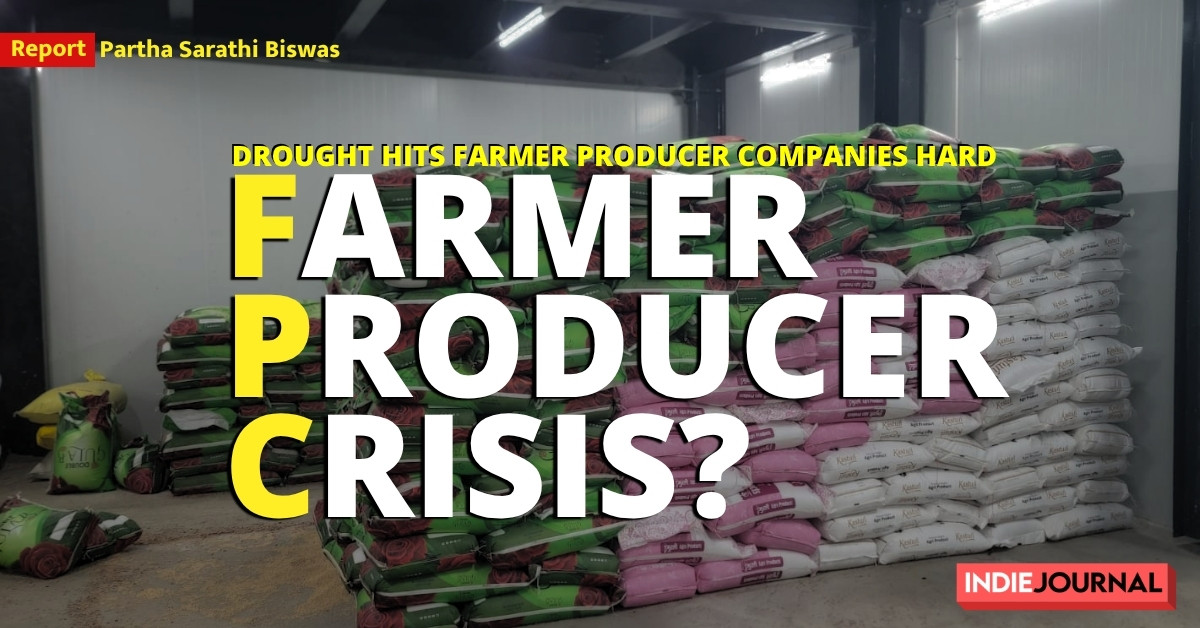
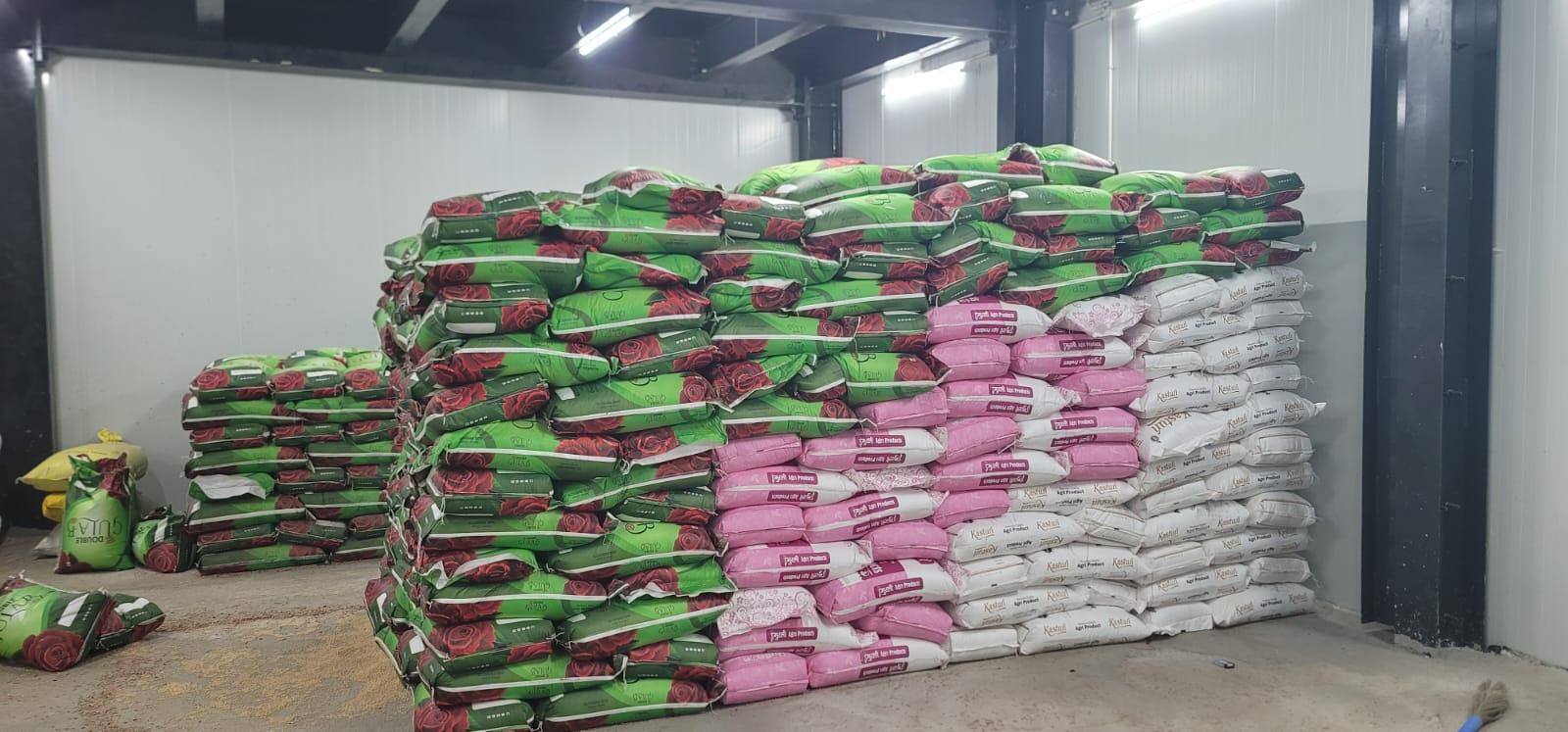
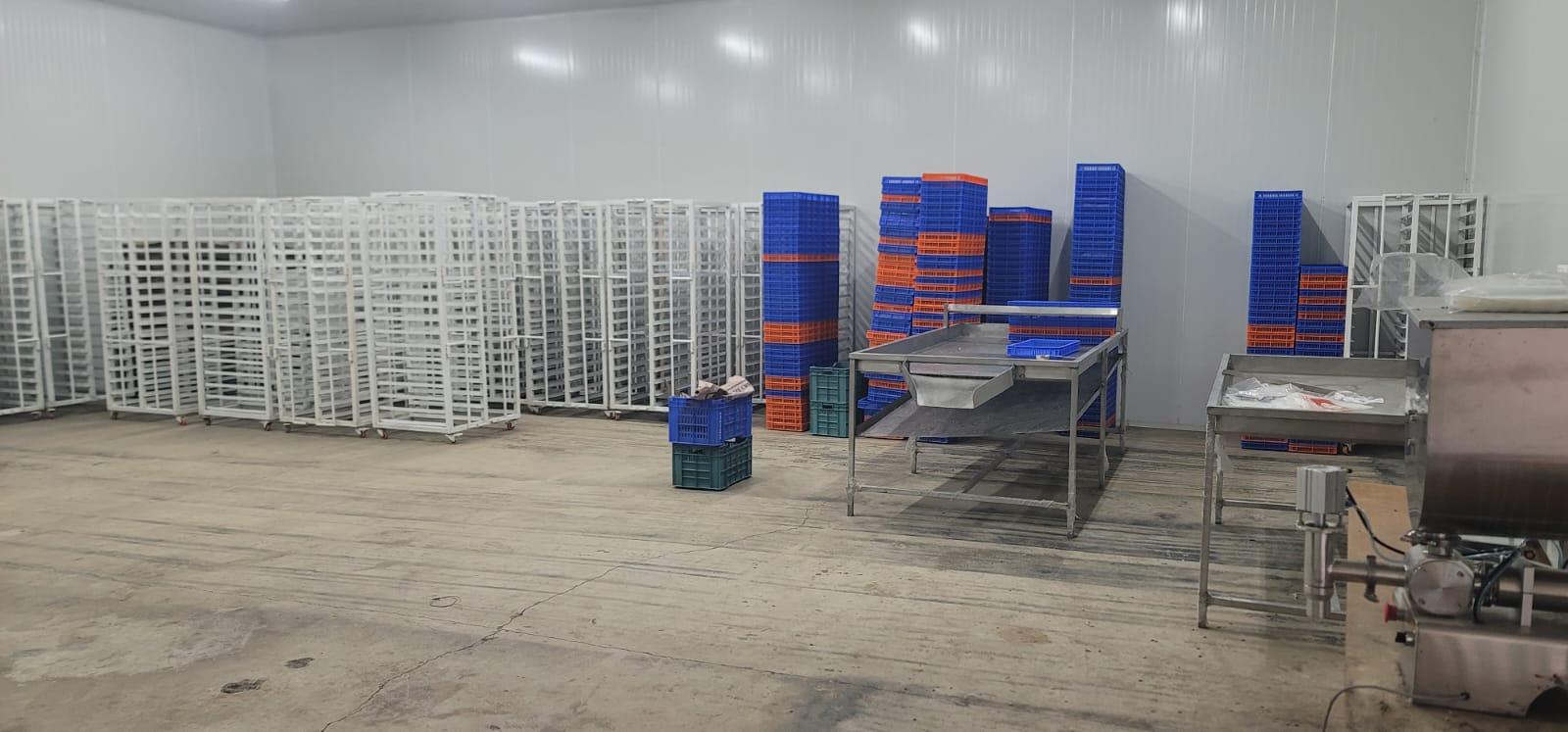
A year back, Abhiman Awachar and his fellow directors, decided to take the big step towards agricultural processing in Beed. Their venture Creative Farmers Producers Company (FPC) decided to take the road less travelled and instead of just dry warehousing, they invested around Rs 4 crores in way of a cold storage with both positive and negative temperatures zones. “We had aimed for crops like rajma, chana, wheat, jowar. In the negative zones, we wanted to develop a value chain for dairy, sweet corns etc.,” he said. But Awachar and his director’s plan hit a road block in terms of the drought.
With both kharif and rabi crop seasons in doldrums, the cold storage would see almost no business. “Rajma, chana, tur, wheat were the crops which we had aimed for the positive lower temperature zones. In the negative zones, we wanted to develop a value chain for flowers like marigold or for sweet corn. But without any arrivals, everything is at a standstill,” he said. Every month the company has to shell out Rs 4 lakhs in way of loan repayment – this year they face uncertainty about this.
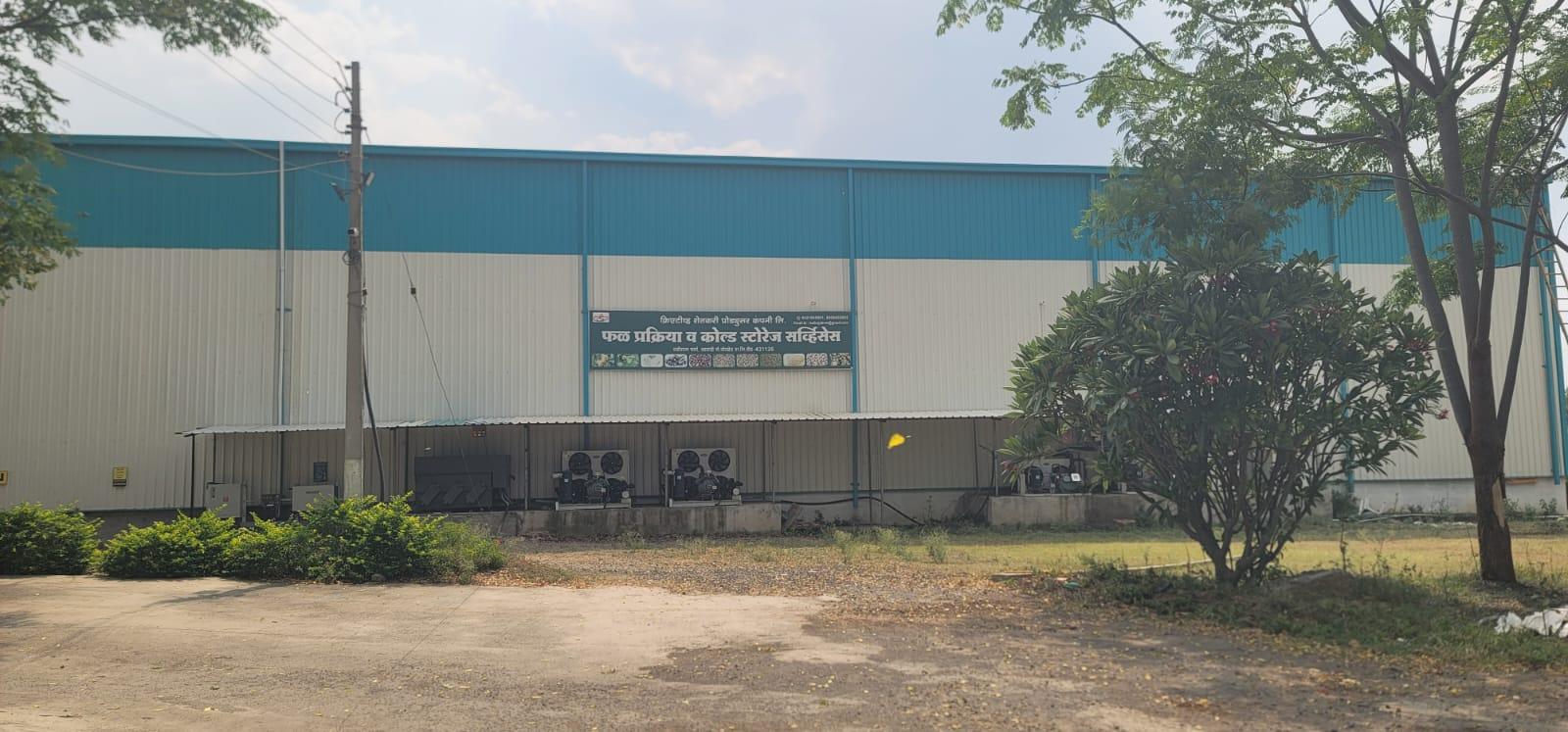
Awachar is now worried that the banks and financial institutions where they had raised their finances from would come knocking at their doors. “How are we to even service the monthly interest payment? We had invested in the hopes of starting a new era of agribusiness in our area- but now our company is facing financial delinquency with individual directors also at risk for queering their CIBIL scores,’ he said.
As the drought spreads its tentacles across Maharashtra, the FPCs are starting at a deep financial shock with little or no hope in sight. Their model is simple - they buy from their farmer members at prices higher than the prevalent market prices. In turn they sell their consolidated agri produce to processors like daal millers or oil expellers in case of soyabean and other oil seeds. FPCs were promoted by the central and state government to help farmers get the bargaining power and not be depended on just the wholesale markets.
FPCs like Creative FPC had raised finances from the banks with the Maharashtra State Government’s Hon Balasaheb Thackeray Agribusiness and Rural Transformation (SMART) project helping farmers in the process. The total investment in the project is estimated to be around Rs 3,000 crores. The project had seen installation of 417 warehouses with the total capacity of 4,97,068 Tonnes. Majority of the warehouses have been constructed in Marathwada and Vidharba region and the twist in the story comes in their geographic location.
Vilas Uphade’s Vikas FPC in Latur has been in the forefront of the FPC movements in the country. A model FPC, Vikas has its own warehouse in Latur and deals with oil expellers and daal millers across Maharashtra and also in Karnataka. “We had taken a loan of around Rs 2 crores for construction of the warehouse and the associated cleaning and grading operation. Our monthly interest payment comes to around Rs 2 lakhs - how will we service our loans this year? Both the kharif soyabean and the rabi crop of channa or tur would not arrive. Without the arrival, there is no other way of raising finances. The CIBIL score of the company as well as individual directors are set to take a hit,” he said.
FPCs represent the farmer’s move to enter both collective bargaining as well their entry into value addition for agricultural produce. Most FPCs had entered the work of acting of sub agents of the central agencies in order to produce commodities under the schemes like PSS (Price Support Scheme) and PSF (Price Stabilisation Fund). It was only in the last few years they have started acting independently in the field of agri business and tried to set up a parallel value chain for their members and farmers.
But as the experiences of the above FPCs show, this drought is about to challenge their very basic. Uphade explained how this drought is very different from the rest. “Earlier we used to be assured of arrivals either of kharif or rabi. So if we missed soyabean, we would get chana or rajma or other pulses,” he said. But the super El Nino this year has almost wiped any chances of rabi sowing. Without any arrivals, FPCs face almost zero business and thus financial insolvency. Individual directors also face their CIBIL scores being effected.
In Beed district, Dynaeshwar Lahane's Vishwashesh FPC had invested in construction of a 2,000 tonnes warehouse in the Ambejogai taluka. The FPC was involved government procurement and since last year had branched into private procurement business. “Every month we have to service a loan of around Rs 1.4 lakh. Without commodities how are we to even service the monthly interest – leave alone the principal component,” he said.
A few days back, around 40 FPCs in Beed had met the district collector to discuss their problem. Uphade said they wanted a moratorium on policy on payment of interest on the lines it was extended to companies during the COVID era. “Farmers would be able to get loan waiver - but the FPCs are companies of, by and for farmers. In case these companies do not survive, the farmers would have no space left in the agri business world,” he said.